
Sweepstakes Casino KYC Verification: US Requirements
 Available in US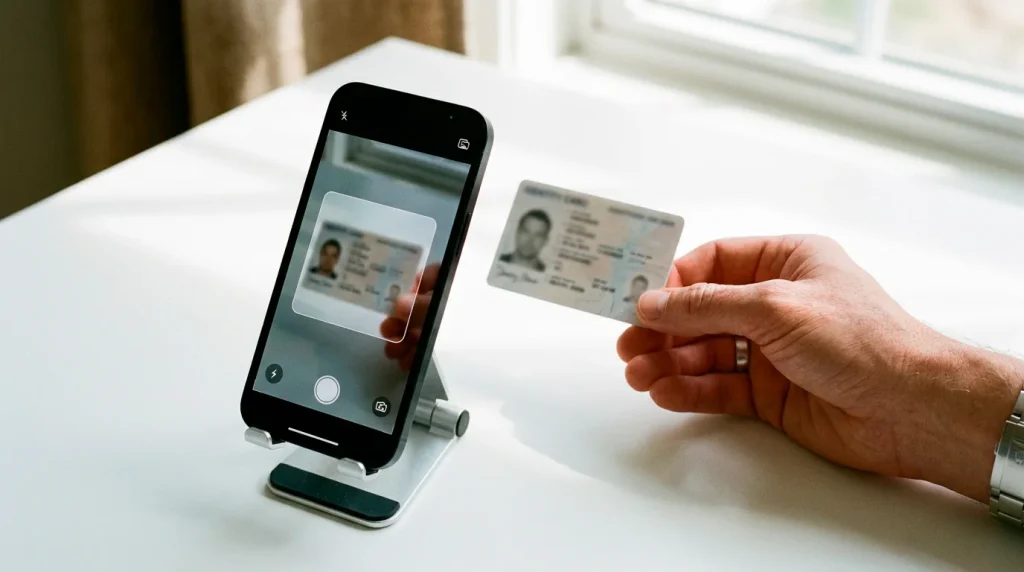
The frustration is partly inevitable — identity verification involves bureaucratic friction by nature — and partly self-inflicted by platforms that implement KYC in ways that maximize delay rather than minimize it. Understanding what the process requires, when to complete it, and how to avoid the most common pitfalls saves time and prevents the specific anger of having a winning SC balance locked behind a verification queue. Verify once, redeem freely.
Mandatory KYC Verification Rules for Cash Redemptions
KYC exists at sweepstakes casinos for three overlapping reasons: legal compliance, fraud prevention, and geographic restriction enforcement.
On the legal front, sweepstakes platforms that process cash redemptions are subject to anti-money laundering (AML) regulations and financial reporting requirements. When a platform sends you $600 or more in a calendar year, it must report that payment to the IRS via 1099-MISC — and it can’t file that form without knowing who you are. KYC verification provides the identity data necessary for tax reporting compliance, even though sweepstakes casinos aren’t classified as gambling operations for most regulatory purposes.
Fraud prevention drives the operational implementation. Sweepstakes platforms face sophisticated fraud — stolen credit cards used to purchase Gold Coins, multiple accounts created to exploit welcome bonuses, and identity theft where bad actors create accounts in other people’s names. KYC verification at the redemption stage serves as a checkpoint where the platform confirms that the person requesting the cash-out is the same person who created the account and made the purchases. This protects both the platform and legitimate players.
Geographic enforcement has become increasingly important as more states ban sweepstakes casinos. Six states banned sweepstakes casinos in 2026, with Indiana following in 2026, and operators face substantial penalties for allowing access from banned jurisdictions. KYC verification includes address confirmation, which enables platforms to block redemptions from states where they’re no longer permitted to operate. For platforms navigating an evolving legal landscape, KYC is their primary tool for geographic compliance.
The timing of KYC is worth noting. Most sweepstakes casinos allow account creation and gameplay without identity verification — you can sign up, receive welcome bonuses, purchase Gold Coins, and play with Sweeps Coins for days or weeks before encountering a KYC requirement. The verification gate appears at the redemption stage: when you try to convert SC to cash for the first time, the platform requests identity documentation. This design is deliberate — removing friction from registration maximizes sign-ups, while deferring verification to redemption ensures the platform only incurs KYC processing costs for players who actually generate revenue (by reaching the redemption stage).
Some platforms have moved toward earlier KYC, requesting verification at registration or first purchase. This approach has trade-offs: it reduces registration completion rates (some users abandon sign-up when asked for ID) but ensures that every active player is verified from the start, reducing fraud risk and eliminating the redemption-stage bottleneck. The industry trend is toward earlier verification, driven by regulatory pressure and the operational cost of managing large populations of unverified accounts.
What Documents You’ll Need
KYC requirements at sweepstakes casinos follow a standard pattern across most platforms, with some variation in specifics. Preparing the right documents before you need them eliminates the most common source of verification delays.
Government-issued photo ID is universally required. Accepted forms include a US driver’s license, state-issued ID card, or US passport. The document must be current (not expired), and the photo must be legible. Most platforms ask you to photograph or scan the front and back of the document — not just the side with your photo. International passports are sometimes accepted but may trigger additional review steps. Military IDs are accepted by some platforms but not all.
Proof of address is the second standard requirement. This typically means a recent utility bill (electric, gas, water, internet), bank statement, or government correspondence (tax notice, voter registration) showing your name and current residential address. The document must be dated within 60–90 days depending on the platform. A credit card statement or phone bill is accepted at some platforms but not others. Lease agreements and mortgage documents are generally not accepted because they don’t confirm current residency (you could have moved since signing).
Social Security Number (SSN) may be requested by some platforms, particularly for players who redeem more than $600 in a calendar year. This is for tax reporting purposes — the platform needs your SSN to generate a 1099-MISC. Not all platforms request SSN at the initial KYC stage; some defer it until the tax reporting threshold is reached. Providing your SSN to a sweepstakes casino carries inherent data security risk, and players should verify that the platform uses encrypted submission forms before entering this information.
Selfie verification is increasingly common. Some platforms ask you to take a live selfie or short video during the KYC process, which they compare against the photo on your submitted ID. This step adds a layer of fraud protection (confirming that the person submitting the documents is the person pictured on the ID) but requires a device with a functional camera and decent lighting.
Payment method verification may be required on top of identity verification. If you purchased Gold Coins using a specific credit card or bank account, the platform may ask you to confirm ownership of that payment method — typically by submitting a screenshot or photo of the card (with the middle digits obscured) or a bank statement showing the transaction. This step prevents disputes where someone else’s payment method was used to fund the account.
The Verification Process Step by Step
The practical KYC experience at most sweepstakes casinos follows a predictable sequence, though the speed and smoothness vary dramatically by platform.
Step one: initiate verification. This typically happens when you attempt your first SC redemption, though you can often start the process earlier through your account settings. The platform presents a verification form — either built into the site or operated by a third-party identity verification service (Jumio, Onfido, and Veriff are common providers). You upload your documents through this interface.
Step two: document submission. Photograph or scan your ID and proof of address and upload them through the platform’s verification form. Quality matters — blurry images, obscured text, or photos with glare are the most common reasons for rejection. Use good lighting, lay the document flat, and make sure all edges and text are visible. If the platform uses a mobile verification flow, the in-app camera usually provides real-time guidance (alignment frames, quality indicators).
Step three: review and processing. The platform — or its third-party verification partner — reviews your submitted documents. Automated systems can approve straightforward submissions in minutes. Manual review for flagged submissions can take 24–72 hours or longer. Optimove data shows that 52% of sweepstakes players convert within 24 hours of registration, which means platforms are incentivized to make the onboarding process fast — but that speed optimization doesn’t always extend to KYC, where the platform has already captured the purchase and the urgency shifts from conversion to risk management.
Step four: approval or additional document request. If approved, your account is marked as verified and future redemptions process without repeating the KYC steps (unless the platform’s policy requires periodic re-verification or your documents expire). If additional documentation is requested — which happens more often than platforms advertise — you’ll receive a notification specifying what’s needed. Common additional requests include a clearer photo of an ID, a more recent utility bill, or payment method confirmation.
Step five: redemption processing. Once verified, your pending redemption request enters the payout queue. Processing time from this point depends on the platform and payment method — same-day for some crypto redemptions, 1–5 business days for bank transfers, and 1–3 days for e-wallets. The KYC process adds time to your first redemption but shouldn’t affect subsequent ones.
Common Verification Problems and Solutions
KYC rejection is the number one source of player frustration at sweepstakes casinos, based on complaint patterns across Trustpilot, Reddit, and customer support forums. Most rejections fall into predictable categories with straightforward solutions.
Image quality failures are the most common rejection reason. A photo taken in poor lighting, at an angle, or with part of the document cut off will fail automated checks. The fix: lay the document on a dark, flat surface. Use natural light or a bright lamp positioned to avoid glare. Photograph from directly above. Ensure all four corners and all text are visible and readable. If using a scanner, 300 DPI resolution is sufficient.
Name mismatch between your ID and your account registration is the second most frequent issue. If your legal name includes a middle name, suffix, or hyphenated element that you didn’t include when you created your account — or vice versa — the verification system may flag the discrepancy. Contact support to update your account name to match your ID exactly before resubmitting documents.
Address mismatch occurs when your proof of address shows a different address than what you registered with. This happens frequently when players have moved since account creation. Most platforms allow you to update your registered address, but the change itself may trigger additional verification steps. Keeping your account address current — not just accurate at registration — prevents this issue.
Expired documents are automatically rejected. Check the expiration date on your ID before submitting. If your driver’s license expired last month, renew it first. Submitting an expired document wastes your time and the platform’s processing capacity, and some platforms limit the number of verification attempts before requiring manual support intervention.
Account-level flags can block verification regardless of document quality. If the platform’s fraud detection system has flagged your account — due to unusual activity patterns, IP address inconsistencies, or suspicious transaction behavior — the KYC review may receive additional scrutiny or be escalated to a manual investigation team with longer processing times. In these cases, patience and honest communication with support are your best tools. Fraudulent accounts get flagged for reasons that legitimate players occasionally trigger by coincidence (using a VPN, logging in from multiple locations, sharing a device).
The single most effective strategy for smooth KYC: complete it early. Don’t wait until you have a substantial SC balance and are eager to cash out. Start the verification process the day you create your account, even if you don’t plan to redeem for weeks. This gives you time to resolve any issues without the emotional pressure of a pending payout, and it ensures that when you do reach the redemption threshold, the only waiting is for payout processing — not identity verification on top of it.